Seasonal Trends in Colorbond Steel Fence Cost: Winter season vs. Summer season
If you have lived through a few building seasons in Australia, you start to notice the rhythm of the trade. Timber prices rise after storms. Bricklayers vanish just when new estates open up. Colorbond fencing has a cycle of its own, not just in supply and demand, but in how quotes land on your desk and how long an install actually takes. Knowing why the Colorbond steel fence cost shifts between winter and summer helps you time your project, shape your specification, and keep a lid on risk.
I have spent winters laying posts in sodden clay and summers checking posts at dawn because the concrete from the afternoon before flashed too fast in the heat. Across these jobs, the patterns repeat. Price isn’t only about the panel and post. It swings with weather, installer capacity, transport, and the little details like post caps that get stuck at the wholesaler when a particular colour runs hot.
What actually drives the Colorbond fencing price
Start with the building blocks. A typical Colorbond fence is a steel post and rail system with infill panels, caps, concrete footings, and often a plinth if you need to chase a slope or keep garden beds off the panel. Panel heights commonly range from 1.5 to 2.1 metres. Most urban lots get 1.8 metres, with gates and retaining add-ons where needed.
On a per metre basis, supply and install pricing tends to move in these defensible ranges in most metro areas:
- Colorbond fencing price per meter installed for a standard 1.8 metre fence typically sits between AUD 95 and AUD 170, depending on site conditions, access, region, profile, and colour. Steeper or constrained sites nudge that higher.
- Supply only for a standard panel, posts and rails usually runs AUD 50 to AUD 95 per metre, again depending on height and brand tiers.
- Labor components vary from roughly AUD 40 to AUD 80 per metre for straightforward installs when priced separately, with crew day rates differing widely by city and season.
If you ask for a Colorbond steel fence price per meter in a single figure, the fairest answer is that there is no single figure. You pay for:
- Height, profile, and coatings. Higher panels cost more metal, and certain profiles carry a premium. Coastal coatings and marine grade fasteners add a modest uplift that is worth it if you are near salt.
- Earth and access. Tight side paths, rocky holes, tree roots, or a need to hand-mix concrete change the Colorbond fence installer cost materially. A bobcat-friendly, flat backyard without services is the cheapest day a fencer will have.
- Extras. Plinths, lattice toppers, retaining under fence, custom colours, raked panels for steep blocks, and gates push the per metre price up.
- Region. Perth and Adelaide often price slightly lower than Sydney and Melbourne for like-for-like work. Regional areas can be cheaper on labour, but freight and limited supplier options may cancel the saving.
Within those drivers, season adds a layer that’s easy to miss when you collect quotes in a single week.
Why season matters to Colorbond steel fencing cost
Season shapes both supply and labour. Unlike highly prefabricated trades, fencing is exposed. A crew’s productivity shifts with soil moisture, daylight, and heat. Suppliers run lean on warehousing, so peak months matter when you want a specific colour or profile. Taken together, this is why the Colorbond steel fence price you get in January does not match June even if the scope is identical.
The key levers are:

- Demand pulses. Homeowners tend to commission exterior work when they are outside more and when end-of-year holidays push projects forward. Builders ramp up perimeter fencing as handovers cluster after spring construction peaks.
- Weather and productivity. Winter is slower in the south from rain and mud. Summer is slower in the north from storms and humidity. Slow days stretch a job and raise effective labor cost per metre.
- Freight and lead times. Pre-Christmas rushes and New Year supplier closures tighten inventories. Mid-year maintenance shutdowns at steel processors or transport bottlenecks do the same, only quieter.
- Crew availability. In busy months, the Colorbond fencing installer cost carries an opportunity premium. In quiet months, crews sharpen their pencils to keep the calendar full.
Let’s walk month by month and see how the Colorbond fencing cost changes in the real world.
Summer: the price of daylight and demand
From late November through February, most households put the backyard on the priority list. Entertaining season pulls fences into view. People notice that leaning bay or the wind-rattled panel and decide to act. Builders also aim to tidy up sites before year-end shutdowns. Then, as suppliers and trades return in early January, everyone wants to be first in the queue.
The effect on Colorbond fence price is straightforward. Quotes often land at the top of the normal range. For a standard 1.8 metre run, it is common to see AUD 140 to AUD 170 per metre installed in Sydney and Melbourne during peak summer weeks for average suburban blocks, with lower quotes snapped up fast and longer wait times attached to any bargain. In Brisbane or the tropical north, summer can be wet season. There, the price still nudges up, but the real shift is schedule risk. A week of storms adds idle days and concrete rework, which installers account for with contingency in the Colorbond steel fencing price.
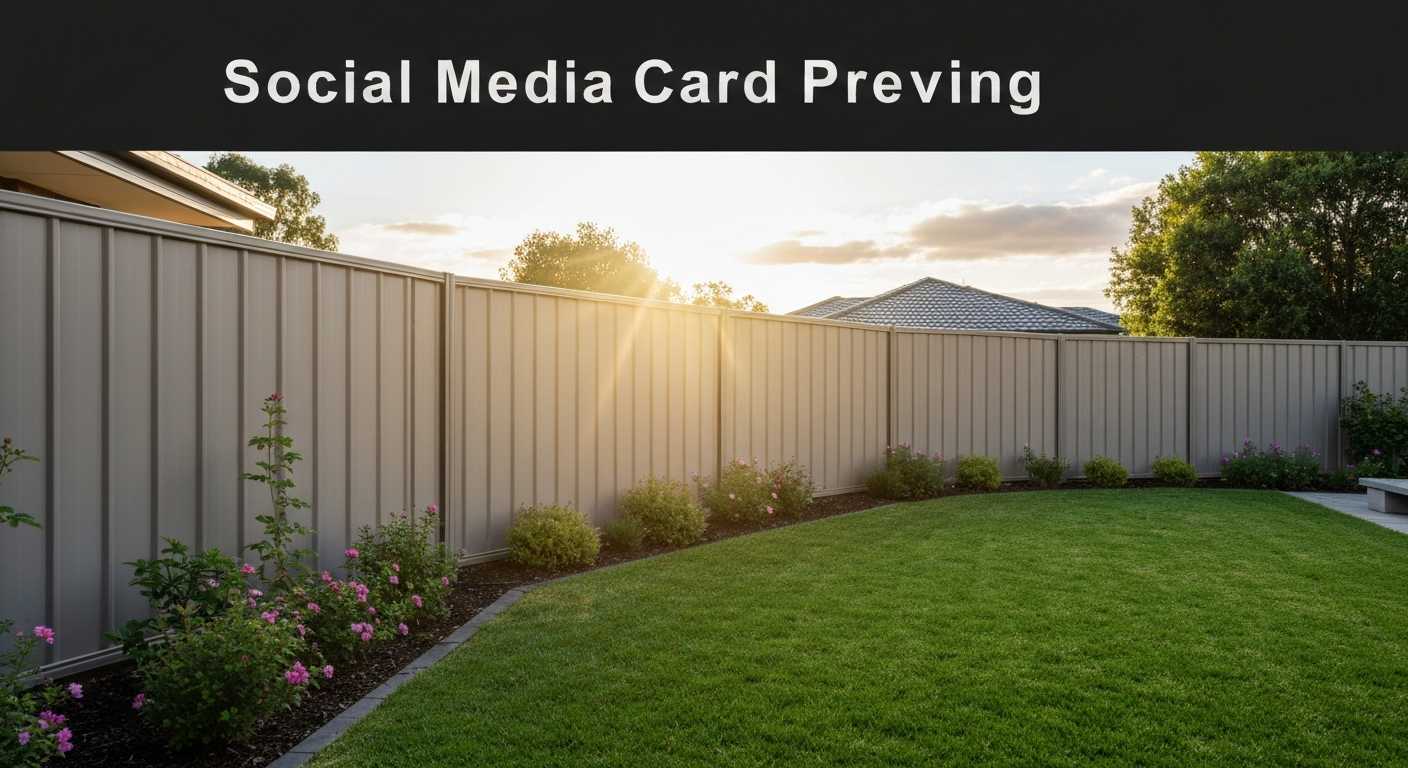
Heat itself matters. When temperatures climb past the low 30s, you pour and set posts earlier in the day, you shade the concrete, and you slow the pace. Steel gets hot to handle by mid-afternoon. Crews can and do work around it, but the productive window narrows. That shows up in labor. If a two-day job drags toward three because the crew sensibly avoids the harshest hours, the Colorbond fence installer price reflects that planning.
Summer also exposes the colour and profile spikes. Woodland Grey and Monument remain top picks in many suburbs. When demand concentrates on one or two colours, certain heights and caps sell out. If your installer needs to mix suppliers or wait for a restock, the per metre number creeps up with extra deliveries or alternate components. None of this is dramatic, but it is visible at scale across hundreds of jobs.
An example from a January project in Melbourne’s west: 42 metres of boundary fencing at 1.8 metres with a single gate, flat block, bobcat access. Three quotes within a fortnight. The two earliest start dates sat at AUD 155 and AUD 162 per metre. A cheaper quote at AUD 132 per metre was real, with a four-week lead time and a note that the requested post caps were backordered. The client wanted it done by Australia Day, so they paid the premium.
Winter: softer demand, trickier ground
Head south to Victoria, Tasmania, or the Adelaide Hills in late June and you notice the ground first. Clay holds water and resists clean auger holes. A hole that takes minutes in October might take twenty minutes in July. If you disturb sodden edges, you end up with a wider hole to regain stability, which means more concrete and more spoil to remove. Rainy weeks break jobs into starts and stops. All of that is friction, but it happens amid lower demand.
With fewer homeowners pushing to finish projects and fewer builders under handover pressure, the Colorbond fencing price often relaxes by 5 to 15 percent on like-for-like work. It is not a sale latest fencing prices sticker, more like a gentle shoulder tap in the estimate. I have seen standard metro quotes in winter land around AUD 105 to AUD 135 per metre for the same fence that drew AUD 130 to AUD 160 in summer. Regional jobs, where weather impacts are stronger but calendars are lighter, can be even more competitive.
Crew calendars open up, which has a compounding effect. You can get three aligned quotes within days and book a start the next week. Installers waste less time juggling overlaps, so they can price a straight meter rate without padding for rescheduling risk. If you are willing to work with a flexible start date, the Colorbond steel fence installer cost comes down further. I watched a July job in Ballarat shave 8 percent off the meter rate when the owner agreed the crew could slot it between two larger sites with 48 hours notice.
There are two caveats. First, winter transport can slow. Public holidays in June, mid-year stocktakes at wholesalers, and occasional maintenance shutdowns at processors introduce one to two week gaps on less common colours and heights. Second, sites that stay waterlogged will not reward a bargain price. You risk post movement if you set into mush. A good installer will walk away from those days and return when the footing holds, or they will specify deeper holes and different concrete. Both are sound practice and can claw back any winter saving.
Regions pull in different directions
Australia’s seasons do not land evenly. This is where many blanket statements about winter being cheaper or summer being dearer fall short. A few ground-level realities help you read your own market.
- South east temperate zones. Melbourne, Geelong, Canberra, Hobart, and much of regional Victoria and NSW see prices soften during winter, then firm from spring through early summer. Installers price winter jobs with modest discounts unless the site stays boggy. Drainage, soil type, and slope override the calendar.
- Sydney coastal. Demand stays steadier. Prices lift in late spring and early summer, dip slightly in late autumn. Heavy rain cells can hit any month and will slow work on clay. Coastal salt changes the spec and can add a small premium to the Colorbond steel fence price per meter due to fasteners and coatings.
- Brisbane and north. Summer is storm season. Schedules stretch from rain, and demand does not drop much because homeowners still work on exteriors through winter. The best gap for price and speed often sits in late autumn, after the worst rain eases and before spring real estate activity wakes up.
- Perth and Adelaide. Dry summers, mild winters. Prices feel less seasonal, with mild increases around holiday periods and spring. Wind exposure drives spec decisions more than the calendar does, including deeper posts and more concrete.
- Remote and regional. Freight slots and supplier choice outweigh seasonal labour effects. A truck that only runs certain routes twice a week is the boss. You will see fewer Colorbond fencing price swings over the year, but any interruption ripples harder.
The supply chain under the hood
Colorbond is a branded, locally manufactured product line. Most installers buy through fencing merchants who carry panels, posts, rails, and hardware in popular colours. Seasonal price moves from BlueScope are not the main story over a few months. Short term changes in the Colorbond fence cost are more about availability and small surcharges.
Practical notes from the yard:
- Colour skew creates micro shortages. If the estate down the road specifies the same colour and height for 400 metres of fencing, your supplier’s racking for that SKU will be light for a fortnight. Your installer may sub in a different cap or split the order across merchants. Both add small costs or delays.
- Gate hardware can be a bottleneck. Latches and hinges in the same finish sometimes run out before panels do. A mismatched finish pair is a small aesthetic compromise that many households accept to keep a project on track, but adjust your expectation if you want everything perfect first time in peak months.
- Transport peaks matter. The weeks leading to Christmas get choked. Early Jan has skeleton crews. Plan your deposit and selections around that so your Colorbond steel fencing price per meter reflects an orderly delivery, not panic freight.
None of this should scare you away from a summer build. It is just why the quote you receive then has more ifs and buts codified inside it.
How installers actually price risk and season
Good fence contractors do not roll dice with their business. They measure. Inside their Colorbond fence installer cost are line items for travel, crew hours, concrete volume, and backfill or spoil. Season changes estimates because it changes productivity. The extra ten minutes per hole in sticky clay is not theory. A truck bogged in the crossfall of an unsealed side access is a real possibility in June.
In a tight labour market, installers also carry opportunity cost. If they can book three full weeks of profitable summer work with minimal rework risk, they will lift the per metre rate slightly to match that demand. During winter, idle days are the enemy. A modest reduction in the Colorbond fencing installer price to keep crews busy is a sensible trade. Owners benefit from this if they are flexible on dates and scope.
One more item hides in plain sight. Variations. In peak months, crews are less likely to absorb minor extras that pop up when the neighbour insists the fence jogs around a garden bed, or when you decide to add a second small gate later. In quieter months, those small changes are more often priced kindly or folded into the day. That does not show up in the headline Colorbond fence price per meter, but it affects the final bill.
Typical seasonal numbers you can rely on
Because exact prices swing by street and soil, ranges matter more than absolutes. Across many projects over recent years, these ballparks hold:
- Standard 1.8 metre Colorbond steel fencing price per meter installed in a major metro: summer often 120 to 170, winter often 100 to 150.
- Taller 2.1 metre fences or high wind zones: add 15 to 30 per metre to the above.
- Gates: simple pedestrian gate supply and install usually 250 to 500 each depending on hardware, framed style, and finish. Automated or custom widths jump higher.
- Plinths or sleepers for minor level changes: 25 to 60 per metre extra depending on material and site prep.
- Removal and disposal of old timber or steel fence: commonly 15 to 35 per metre, influenced by access and tip fees.
If someone quotes far below the low end, query their specification, inclusions, and warranty. If someone quotes far above the high end in a quiet month for a simple site, ask what is special about your job that you might have missed.
Negotiating with the season in mind
Most homeowners ask installers to sharpen a pencil. The way you ask matters. Season adds leverage if you use it sensibly.
- In winter, flexibility is currency. Offer a window instead of a fixed date. Ask if you can align with another job in your suburb to share mobilisation. You often pick up 3 to 8 percent this way without a haggling contest.
- In summer, certainty is currency. Lock selections early, accept a reasonable lead time, and avoid mid-quote changes. Installers will hold a fair Colorbond steel fencing price if they know you will not move the goalposts.
- In all seasons, bundle sensible extras. If you plan to add a gate later, price and schedule it now. Splitting a crew visit for minor items costs more.
I sometimes see owners try to squeeze every dollar in winter only to lose the best crew to a less complicated job. Better to be a client who is easy to schedule and clear on scope. Your final Colorbond fencing price will reflect it.
Edge cases that change the math
Not every block or brief fits the seasonal generalisations.
- Bushfire and coastal. BAL ratings and marine environments can change specifications on fixings and coatings. That cost uplift is stable across seasons, so the winter discount is smaller in percentage terms.
- Shared boundaries. Neighbour contributions can drive timing. If the neighbour is only available to approve or pay in early summer before their holiday, you may accept the higher season price to secure the contribution.
- Developer covenants. New estates often specify a fence profile and colour. When several dozen lots build at the same time, the Colorbond steel fence price per meter may briefly come down due to scale. If it coincides with summer, the usual premium might disappear for that estate.
- Extreme soil. Reactive clay, deep fill, or bedrock all trump the calendar. Digging through caliche in Darwin or shale in the Blue Mountains costs what it costs whenever you do it. A winter saving may evaporate against extra auger time or special footings.
Thinking through these factors before you quote helps you compare like with like.
A practical comparison of winter and summer installs
People often ask which season produces the cheapest Colorbond fencing price. Cheap alone is not the right lens. Compare price, speed, risk, and finish quality as a package. Here is how the balance typically feels on the ground:
- Summer in the south. Higher per metre price, faster curing concrete, longer daylight, more reliable back-to-back scheduling, but higher demand pressure. Best for: tight timeframes and straightforward access.
- Winter in the south. Lower per metre price, slower ground conditions, more gaps for scheduling, potential for cleaner workmanship if crews are not rushing between sites, but watch out for mud and drainage. Best for: flexible timelines and value hunting with a solid installer.
- Summer in the north. Schedule risk from storms, heat management on site, prices hold firm due to steady demand. Best for: projects that can pause between showers without stressing the client.
- Late autumn almost everywhere. A sweet spot. Demand eases after Easter. Weather is kinder. Calendars have space. If you want to anchor a project to price and predictability, this is where many of my smoothest installs landed.
What to ask an installer, season by season
A short, pointed conversation uncovers the real Colorbond fencing cost drivers on your site. These questions help, and they need only take five minutes.
- How will this season’s weather affect hole depth, concrete, and schedule on my soil type?
- Are my colour and profile in stock now, and if not, what is the realistic lead time within this month?
- What are the allowances for spoil removal if the ground is wet and holes bell out?
- If rain stalls the job mid-way, how do you secure the site and reschedule - and does that change the Colorbond steel fencing installer price?
- What part of the scope would you change to save 5 to 10 percent without sacrificing durability?
You are not cross-examining. You want to see that the installer has thought about season and site, and that their Colorbond fence price per meter reflects it with honest inclusions.
A simple timing checklist
- Book quotes four to six weeks before your ideal start. If you want a December finish, start conversations by October. If you want a July bargain, start by May.
- Photograph access constraints and mark services. A clean brief cuts seasonal contingency.
- Decide on colours early and accept alternates if backordered. Flex on caps or post profiles rarely impacts longevity.
- Ask for a wet weather plan in writing if building in winter or a storm-prone month.
- Confirm who handles neighbour communication and boundary alignment to avoid schedule slips.
How to keep a seasonal quote apples to apples
Competitive quoting degrades fast when details drift. To compare Colorbond fencing price per meter fairly across seasons and installers, standardise:
- Height, profile, and colour, including alternate acceptable colours if your first pick is short. Minor colour flexibility can shave lead time that matters in summer, or open stock that wins you a winter price.
- Footing spec. Ask for hole diameter and depth, and concrete type. In winter, some installers specify deeper posts. If one quote includes it and another does not, the cheaper one is not better, just lighter.
- Removals and reinstatements. Old fence disposal, garden bed trims, and minor re-turfing along the line often end up in limbo. Spell them out.
- Gates and hardware. Name latch types and finishes. In peak months, mismatches or subs might creep in otherwise.
- Schedule assumptions. In wet seasons, include the approach for delays. In hot months, note work hours if you care about noise or access.
With clear specs, you can spot the true effect of season on the Colorbond steel fencing price rather than the fog of varied inclusions.
A brief word on warranties and seasonal performance
Colorbond panels and posts have protective coatings designed for Australian conditions. Season of install does not change the manufacturer warranty. What the season does change is the risk of poor practice. Posts set in saturated ground without care can shift. Concrete mixed too wet to speed the pour will weaken strength. Steel scratched by rushed handling in heat will need touch-up to avoid rust points later.
These are workmanship issues. Pick an installer who documents their approach. In winter, ask how they judge safe ground for post setting, how they manage drainage during installation, and whether they use deeper or wider footings where appropriate. In summer, ask how they handle expansion, curing in heat, and surface protection. The marginal extra you might pay for a careful crew usually comes back to you in straight lines and quiet fences when the wind kicks up.
Where seasonal savings are easiest to find
The cleanest, least risky ways to trim the Colorbond fencing cost without hurting longevity rarely change with month, but they become more available when calendars are loose.
- Rationalise gates. One well-placed gate beats two seldom used ones. That alone can drop several hundred dollars.
- Align with neighbours. Sharing the cost is more than etiquette. Splitting a line reduces separate mobilisations and trims your Colorbond fencing price per meter even after you split it.
- Choose popular colours. This keeps you in stock during peak months and gives you negotiating room in quiet ones.
- Prepare the site. Clear vegetation and mark services. If an installer prices an hour of brush cutting or time to find stormwater, you pay for it whether it is in the headline per metre or a variation later.
I have seen owners save 10 percent simply by getting three neighbours to agree on one date for a continuous line, then offering the crew easy parking and access. Season helps because it changes how easy it is to marshal that coordination.
Bringing it back to timing a decision
If you want the lowest likely Colorbond fence price, aim for late autumn into winter in the southern states, or post wet season in the north. Expect offers a notch below summer and crews with room in their calendar. Plan for extra time if the ground is waterlogged and be ready to say yes when the weather breaks.
If you value speed, certainty, and less mud, book spring into early summer, accept that the Colorbond steel fencing cost may be at the top of the range, and hold your scope steady to keep suppliers and installers onside.
Either way, get specific about your site. Soil, slope, access, and neighbours move the needle more than the month on the calendar. Ask clear questions, lock down inclusions, and evaluate installers on approach as much as on price. Do that, and season becomes an advantage rather than a gamble, and your Colorbond steel fence will look straight and stay quiet when the weather shifts again.